
What is Alpha-1 Antitrypsin Deficiency
Alpha-1 Antitrypsin Deficiency is a rare genetic disorder with autosomal dominant transmission.
Alpha-1 Antitrypsin is a predominantly synthesized protein of the hepatocyte and released by the liver into the bloodstream. It is the main inhibitor of serum proteases (inhibits trypsin, elastin and several other proteases). If these inhibitors are not present, the release of proteolytic enzymes from the plasma to the surfaces of the organs and in the cellular spaces causes tissue damage (attacking various tissues of the body).
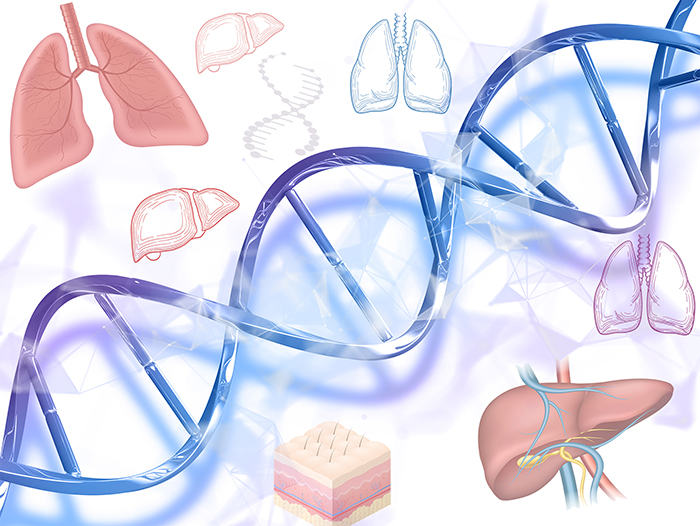
Alpha-1 Antitrypsin also appears to have anti-inflammatory effects independent of its anti-neutrophil elastase activity. Alpha-1 deficiency is prone to development (can cause): lung, liver, skin diseases.
The main function of, alpha-1 antitrypsin is to protect the lungs so that they can work normally. With low levels of alpha-1 antitrypsin, the lungs can be damaged and this damage can make breathing difficult. When it cannot be released from the liver at the normal rate, this leads to an accumulation of abnormal alpha-1 antitrypsin in the liver which can cause liver disease.