Symtoms
Alpha-1 antitrypsin deficiency (AATD) can present as adult lung, liver and rarely skin disease and other possible combinations. Most people discover the disease at the age of 20 – 40.
Lung disease
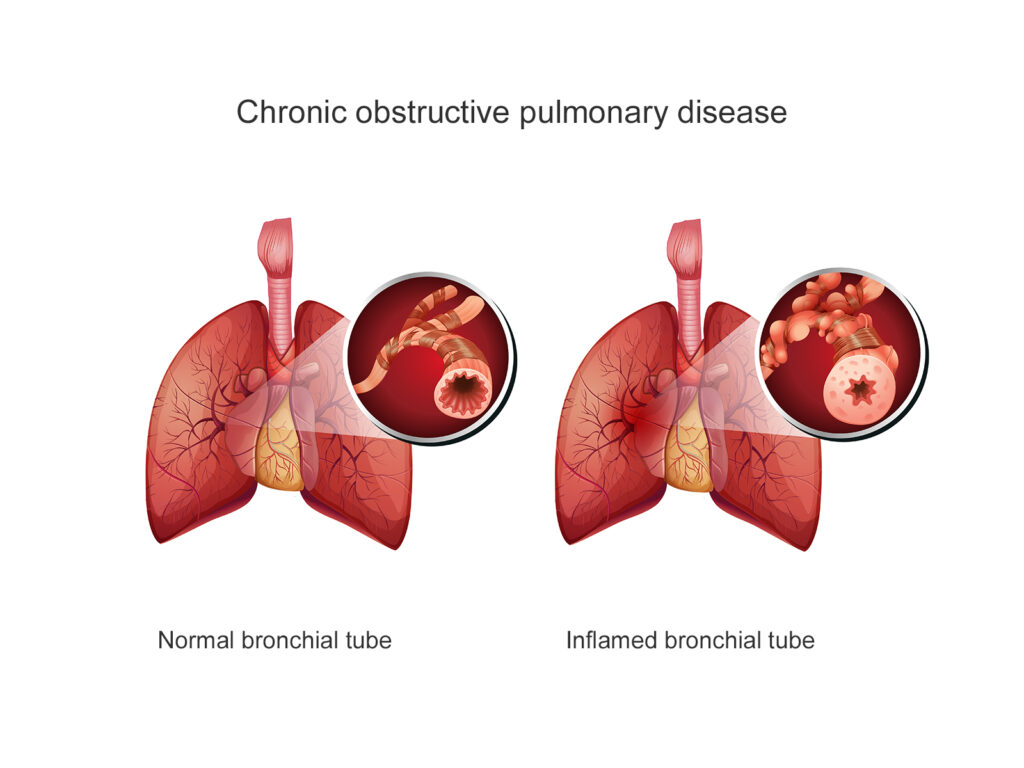
Lung symptoms:
- Shortness of breath
- Wheezing of breath
- Chronic bronchitis
- Lung infections
- Less exercise tolerance
- Bronchiectasis – a chronic inflammatory or degenerative condition of one or more bronchi or bronchioles.
- Weight loss
Early diagnosis of Alpha-1 is very important because quitting smoking (if the Alpha smokes) and early treatment are both essential to help slow the progression of Alpha-1 lung disease.
Liver disease
Liver disease, is another symptom of Alpha-1 Antitrypsin Deficiensy.
- Jaundice (Eyes and skin turning yellow)
- Unexplained liver disease or elevated liver enzymes
- Ascites (Swelling of the abdomen or legs)
- Vomiting blood
- Fatigue and weakness
- Weight loss
- Nausea
- Portal hypertension
- Hepatocellular carcinoma
In the newborn it can be manifested by:
- Jaundice (a yellow tinge of the skin or eyes)
- Yellow urine
- Fattening problems
- Enlarged liver
- Bleeding from the nose or umbilical cord
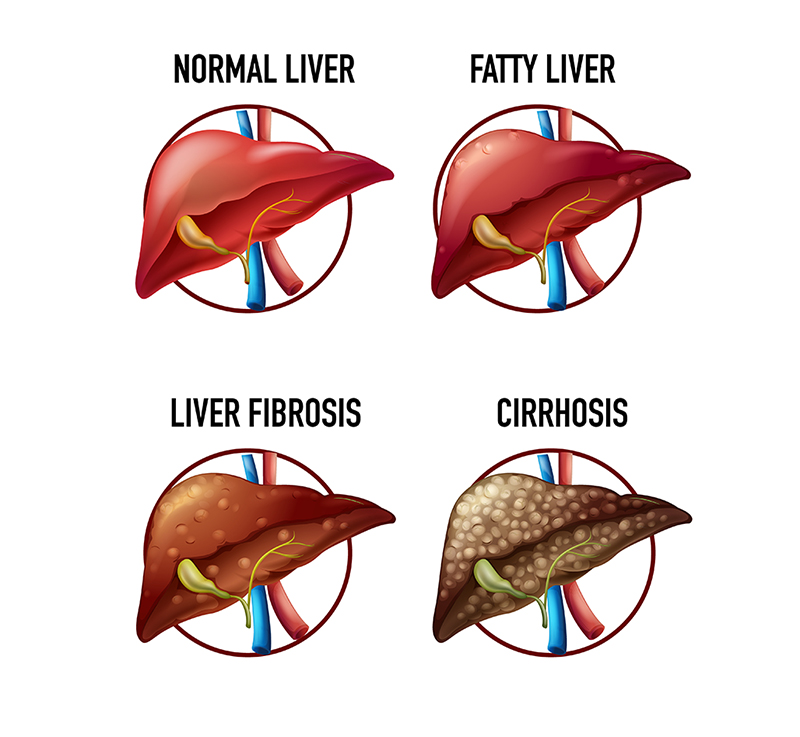
Alpha-1 Antitrypsin Deficiency can cause liver problems in infants, children or adults. In this case, large amounts of abnormal alpha-1 antitrypsin protein (AAT) are made in the liver, nearly 85 % of this protein gets stuck in the liver. If the liver cannot break down the abnormal protein, the liver gradually gets damaged and scarred.
Because the mechanism of the liver disease (accumulation of unsecreted protein within the liver cells) differs from that of the emphysema (proteolytic damage to the lung support tissues), liver disease may occur separately from the emphysema.
Panniculitis
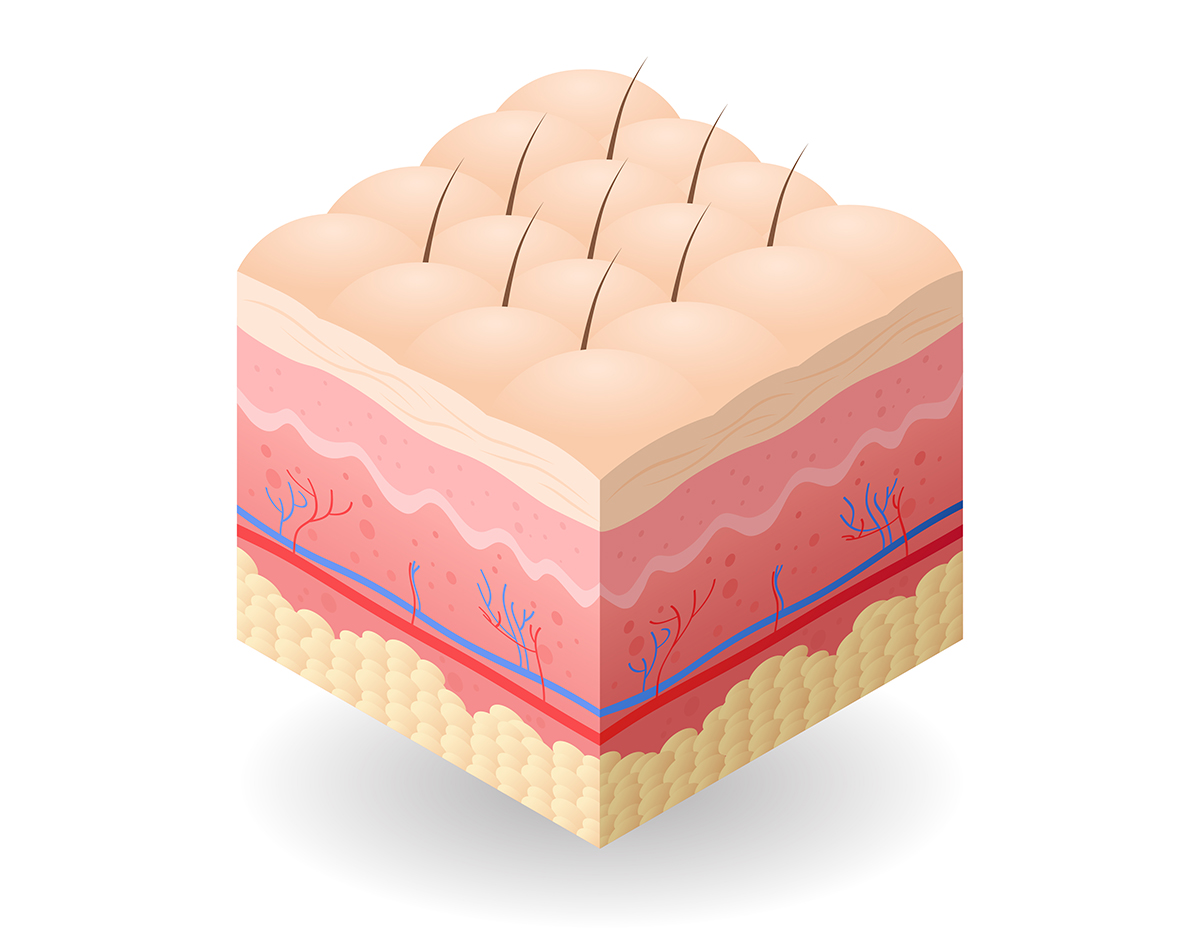
Rarely, Alpha-1 Antitrypsin Deficiency can cause a skin condition known as panniculitis. Panniculitis varies in severity and can occur at any age.
People with Alpha-1 Antitrypsin Deficiency Panniculitis have the following symptoms:
- inflammation of the layer of fatty and fibrous tissue located just below the layers of the skin, leading to necrotic areas, spontaneous suppuration of the skin even in the absence of previous trauma.
- the appearance of hardened or soft nodules on the surface of the skin, sensitive, red and inflamed.
More information can be found on the page Alpha-1 Antitrypsin Panniculitis.