
Treatment
Alpha-1 Antitrypsin Deficiency cannot be cured.
There is no cure for Alpha-1 Antitrypsin Deficiency, but available treatments aimed at slowing disease progression, as in the case with lung disease in Alpha-1 Antitrypsin Deficiency. You will need these treatments for the rest of your life.
In addition to the usual treatments for lung conditions in which are indicated:
- bronchodilators
- corticosteroids (to reduce chronic inflammation)
- extra oxygen if low levels of oxygen in the blood occur. Long-term oxygen therapy is given to increase performance and protect the cardiovascular system: oxygen is usually provided through the nose. Portable systems are an alternative to stationary care, allowing the user to be mobile.
- pulmonary rehabilitation
- administration of antibiotics
there is also augmentation therapy.
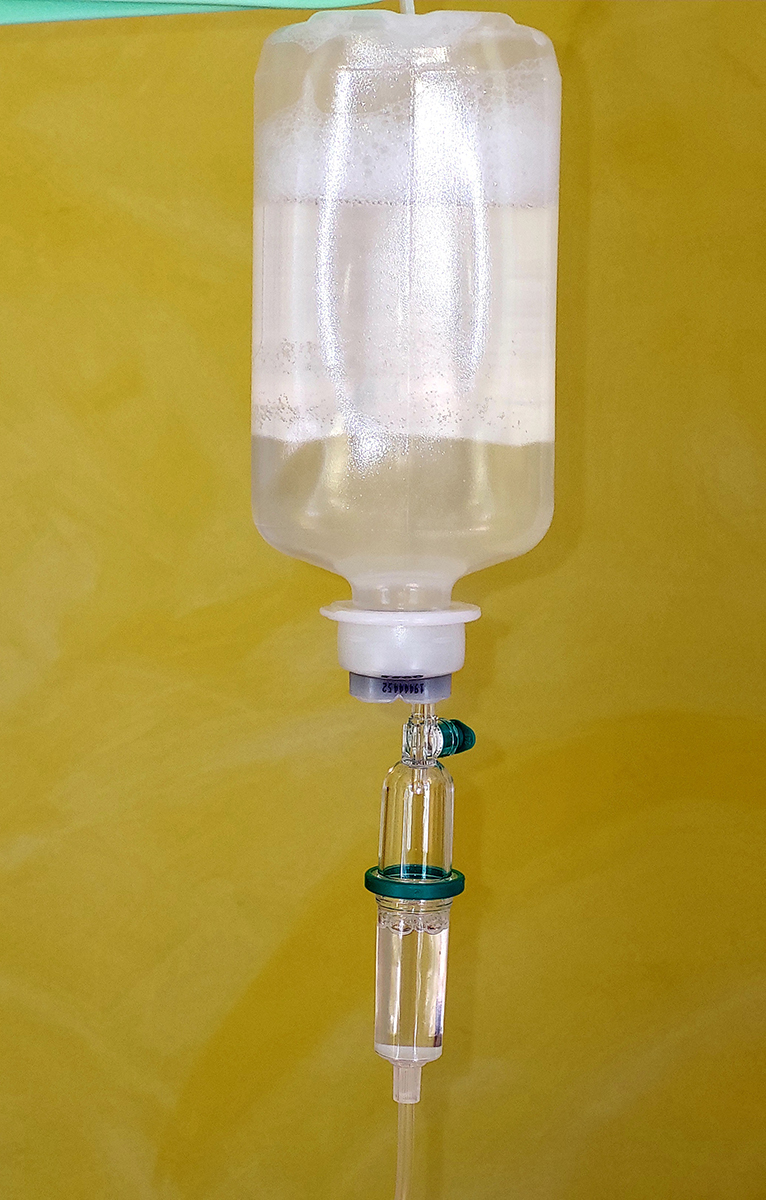
Augmentation therapy consists of intravenous infusions, usually weekly, of alpha-1 antitrypsin protein purified from healthy plasma donors. The goal is to increase the level of alpha-1 protein in the blood and lungs in order to slow or stop the progression of Alpha-1 lung disease, because therapy cannot restore lost lung function.
It is very important that people with emphysema avoid smoking, use non-medical aerosol sprays. It is recommended to prevent influenza infections by annual vaccination and periodic vaccinations against pneumococcus, hepatitis A and B.
Lung transplantation, single and double, has been performed successfully on many Alpha-1 Antitrypsin Deficiency patients and end-stage severe lung disease who otherwise qualify as candidates for such surgery.
Augmentation therapy is not a treatment for Alpha-1 liver disease and there is no specific therapy for liver manifestations. Patients are advised to:
- to avoid or minimize alcohol consumption
- liver ultrasound, in case of liver disease, every 6 to 12 months to monitor fibrotic changes (cirrhosis) and liver cancer (hepatocellular carcinoma).
In case of severe liver disease, liver transplantation is recommended. After a liver transplant, alpha-1 antitrypsin deficiency is corrected because the normal donor liver produces and secretes normal alpha-1 antitrypsin.
Augmentation therapy is recommended for the Alpha-1 related skin disease Necrotizing Panniculitis.
Genetic counseling is recommended for all patients and their families.